Source table glue for Textile, Woodworking, and Decoration
Compare 30 verified table glue options from Chinese suppliers, including liquid and solid variants for textile printing, woodworking, and decoration. View specifications like shelf life, composition, and packaging to find the right adhesive for your project needs.
Key considerations
Products List


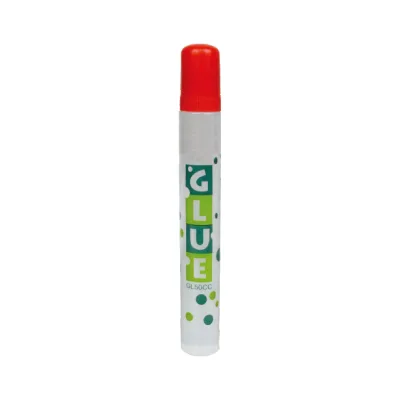
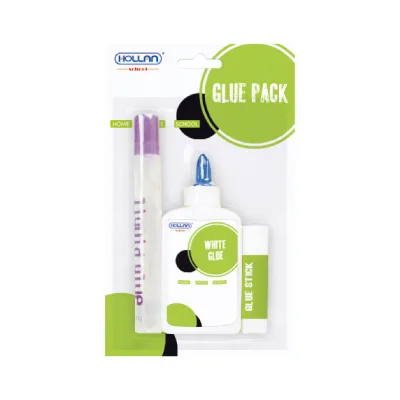
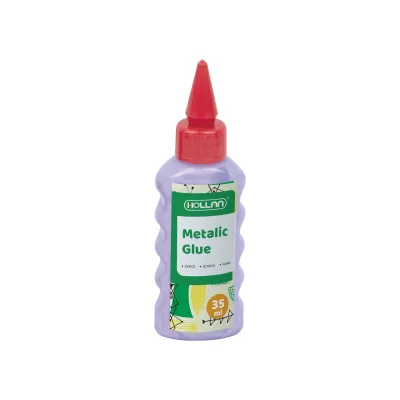
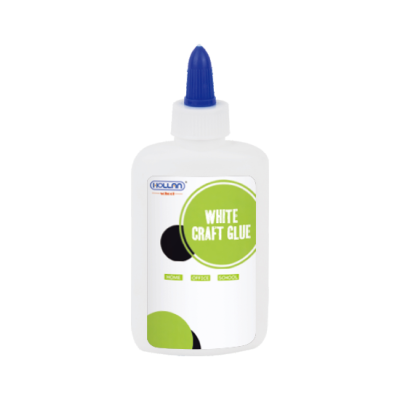


Comprehensive Sourcing Guide
Strategic Sourcing Guide for Table Glue Procurement
Navigating the global market for table glue requires a disciplined approach that balances technical performance with supply chain reliability. The term "table glue" often encompasses a broad spectrum of adhesive solutions, ranging from liquid sealants for textile printing to specialized bonding agents for woodworking and decorative applications. Buyers must distinguish between these variants based on specific project requirements, as the underlying chemistry and application methods vary significantly. This guide provides a structured framework for evaluating potential suppliers and products, grounded in observable product attributes and established industry practices.
Technical Specifications and Product Variants
The first step in sourcing table glue is defining the precise technical specifications required for the intended application. The market offers distinct formulations, each characterized by unique physical states and chemical compositions. For instance, some products are formulated as liquids designed for textile printing auxiliaries, while others are solid-state materials intended for woodworking or general bonding tasks. The morphology of the adhesive is a critical differentiator; liquid formulations often require specific handling to prevent leakage, whereas solid-state products may offer different application dynamics.
Key technical attributes to verify include the soild content, which affects the viscosity and drying time of the adhesive. A product with a 25% soild content will behave differently than a high-solids alternative. Volume is another essential specification, with common packaging sizes ranging from 500ml bottles to bulk drums containing 150kg. The shelf life of the product is equally vital for inventory management; observed ranges in the market include 12 months and 24 months, depending on the formulation stability. Buyers should also examine the curing characteristics, such as full curing times which can be as short as 0.1 hours for specific super glue variants, or room-curing formulations that require ambient conditions to set.
Furthermore, the composition of the main agent and promoter is crucial for performance. Some adhesives utilize rubber as the main agent, paired with a curing agent promoter, while others rely on organic materials or specific polymers like VAC (Vinyl Acetate Copolymer). The bonding function is another technical parameter to assess; certain products are engineered specifically for liquid sealing and leak prevention, while others are designed for general-purpose adhesion across diverse substrates including ceramic, glass, textile, leather, wood, rubber, metal, plastic, and paper. Understanding these distinctions ensures that the selected glue matches the mechanical and chemical demands of the project.
Compliance, Certification, and Safety Standards
Ensuring that table glue meets regulatory and safety standards is a non-negotiable aspect of B2B procurement. While specific certification statuses for individual products must be verified directly with the supplier, buyers should be aware of the standards commonly referenced in the industry. These include ASTM D4236, which addresses the labeling of art materials for chronic health hazards, and EN71, a European standard for the safety of toys. Additionally, EN12004 is a relevant standard for ceramic adhesives, and CE marking indicates conformity with health, safety, and environmental protection standards for products sold within the European Economic Area.
When evaluating a supplier, buyers must confirm whether the product possesses an Environmental Protection attribute, as many modern formulations are designed to be eco-friendly. The presence of an Einecs number, such as 2002-500-6, serves as a unique identifier for chemical substances within the European inventory, facilitating regulatory compliance checks. It is important to note that while some products may claim to meet specific standards, these claims must be substantiated by valid documentation. Buyers should request certificates of analysis and compliance reports to verify that the adhesive does not contain prohibited substances and meets the safety requirements of the destination market.
Cost Drivers and Pricing Dynamics
The pricing of table glue is influenced by a complex interplay of factors, including raw material costs, packaging requirements, and order volume. The observed price range in the market spans from $0.05 to $1000, reflecting the vast difference between small-volume consumer units and bulk industrial drums. The Minimum Order Quantity (MOQ) is a significant cost driver, with ranges observed from 1 unit up to 10,000 units. Suppliers often offer tiered pricing structures where the unit cost decreases as the order volume increases, making it essential for buyers to calculate the total landed cost rather than focusing solely on the unit price.
Packaging plays a substantial role in the final cost. Products packaged in bubble bags and carton boxes may have different handling costs compared to those in 150kg exporting standard plastic drums. The volume of the product, such as 500ml or larger bulk quantities, directly impacts the shipping weight and volume, which are critical components of logistics costs. Additionally, customization services, which are available for many suppliers, can add to the cost but may be necessary for branding or specific application needs. Buyers should also consider the OEM (Original Equipment Manufacturer) capabilities of the supplier, as accepting OEM orders often involves additional tooling or formulation adjustments that affect the overall price.
Typical Applications and Substrate Compatibility
Table glue is utilized across a diverse array of industries, and understanding the specific application context is vital for selecting the right product. In the textile industry, liquid glues serve as printing auxiliaries, requiring precise control over viscosity and drying properties. For woodworking applications, solid-state adhesives or specialized bonding agents are preferred for their strength and durability. The versatility of some formulations allows them to bond a wide range of materials, including ceramic, glass, textile, leather, wood, rubber, metal, plastic, and paper.
The usage context also dictates the performance requirements. For decoration, school, and office environments, the glue must be safe, easy to apply, and capable of bonding lightweight materials without causing damage. High-temperature resistance is a critical feature for products used in environments where thermal stress is a concern. Waterproof characteristics are essential for applications exposed to moisture, ensuring the bond remains intact over time. Buyers should match the product's stated characteristics, such as "Waterproof" or "High Temperature" resistance, with the environmental conditions of the end-use scenario to prevent premature failure.
Supplier Evaluation and Origin Verification
Selecting a reliable supplier is paramount to ensuring consistent product quality and supply chain stability. The origin of the product is a key factor in this evaluation, with major manufacturing hubs located in China, specifically in regions like Weifang and Zhejiang. These locations are known for their robust chemical and adhesive manufacturing capabilities. Buyers should verify the place of origin to ensure it aligns with their sourcing strategy and to assess the logistical implications of shipping from these regions.
Supplier evaluation should also include an assessment of their customization capabilities. Many suppliers offer OEM services, allowing buyers to brand the product or modify formulations to meet specific needs. The availability of customization is a strong indicator of a supplier's flexibility and technical competence. Additionally, buyers should review the supplier's product models and specifications to ensure they have the capacity to meet the required volume and quality standards. The presence of a clear product model number, such as JAS-BLUE-G or RG-YM5254, helps in tracking and verifying the specific batch of products.
Quality Control and Long-Term Procurement
Implementing a robust quality control (QC) process is essential for maintaining product integrity throughout the procurement lifecycle. Buyers should establish clear acceptance criteria based on the product's specifications, including shelf life, morphology, and bonding performance. Regular testing of incoming shipments against these criteria can prevent the distribution of substandard products. For long-term procurement, it is advisable to build a relationship with suppliers who demonstrate a commitment to quality and continuous improvement.
Long-term considerations also involve managing the shelf life of the inventory. Products with a 12-month or 24-month shelf life require careful inventory planning to avoid expiration. Buyers should implement a first-in, first-out (FIFO) system to ensure that older stock is used before newer shipments. Additionally, the stability of the supply chain should be evaluated, considering factors such as lead times and the supplier's ability to scale production in response to demand fluctuations. By focusing on these long-term aspects, buyers can mitigate risks and ensure a steady supply of high-quality table glue for their operations.
Comparative Analysis of Product Attributes
To facilitate decision-making, buyers can utilize the following comparison table to evaluate key attributes of different product types observed in the market. This table highlights the diversity in specifications and helps in identifying the most suitable product for specific needs.
| Attribute | Product Type A | Product Type B | Product Type C |
|---|---|---|---|
| Morphology | Liquid | Solid-State | Liquid |
| Application | Textile Printing | Woodworking | General Bonding |
| Shelf Life | 12 Months | 24 Months | 12 Months |
| Volume | 500ml | Bulk Drum | 500ml |
| Standard | Standard | Customized | 500ml |
| Origin | China | Zhejiang, China | Weifang, China |
| OEM | Acceptable | Avaliable | Acceptable |
| Key Feature | Liquid Sealing | High Temp Resistance | Waterproof |
This comparative view underscores the importance of matching specific product attributes to project requirements. Whether the need is for a liquid sealing agent, a high-temperature resistant adhesive, or a waterproof solution for general bonding, the table provides a clear framework for evaluation. By systematically analyzing these attributes, buyers can make informed decisions that align with their technical and operational goals.
Conclusion
Sourcing table glue effectively requires a comprehensive understanding of the product landscape, from technical specifications and compliance requirements to cost drivers and supplier capabilities. By adhering to a disciplined evaluation process and leveraging the available product data, buyers can identify suppliers that offer high-quality, reliable adhesive solutions. The diversity of the market, with products ranging from 500ml bottles to bulk drums and varying from liquid to solid-state forms, offers numerous options for meeting specific application needs. Ultimately, successful procurement hinges on the ability to match the right product to the right application while maintaining rigorous quality control and supply chain stability.
FAQs
What is the shelf life of table glue products?
The shelf life varies by formulation, with observed durations of 12 months and 24 months. Buyers should verify the specific expiration date on the product label to ensure inventory stability before use.
Which packaging formats are available for table glue?
Packaging options include bubble bags with carton boxes, 150kg exporting standard plastic drums, and single items in cartons. The volume ranges from 500ml bottles to bulk drums depending on the supplier.
Can suppliers offer customization and OEM services?
Yes, customization is available for many products, and OEM services are acceptable or available from multiple sources. Buyers can request specific branding or formulation adjustments to meet project requirements.
What are the common origins for table glue manufacturers?
Major manufacturing origins are located in China, specifically in Weifang and Zhejiang provinces. These regions host factories with robust capabilities for producing various adhesive formulations for global export.
How does the morphology of table glue affect application?
Products appear as either liquid or solid-state materials, influencing handling and bonding methods. Liquid types often require sealing to prevent leaks, while solid types may suit woodworking or general bonding tasks.
What certifications or standards apply to table glue?
Some products reference standards like ASTM D4236, EN71, and EN12004, while others carry Einecs numbers like 2002-500-6. Buyers must request specific compliance documentation to verify safety and regulatory adherence.